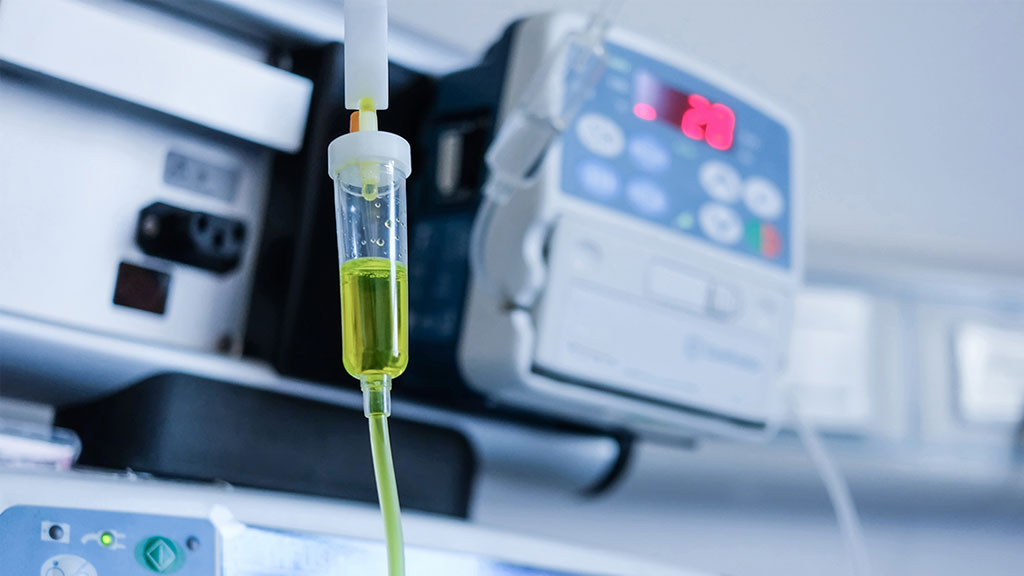
What is Kidney Dialysis?



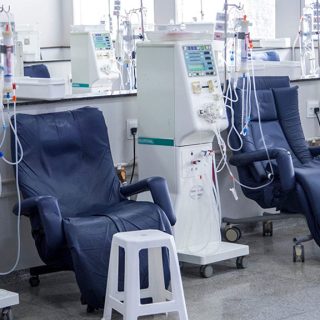
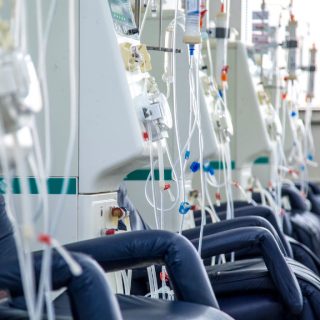



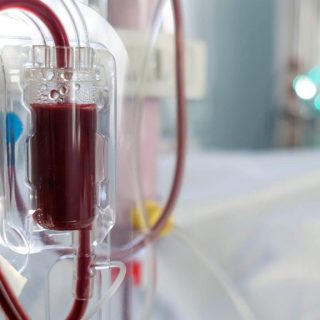

Dialysis is an artificial treatment used when the kidneys cannot fully perform their functions, helping to remove harmful substances, excess fluids, and toxins from the body. For patients with kidney failure, dialysis is vital for filtering blood, maintaining electrolyte balance, and preserving quality of life. Regular dialysis treatment reduces the negative effects of impaired kidney function and helps patients carry out daily activities more comfortably.
When is Dialysis Necessary?
Dialysis is generally applied in advanced stages of kidney failure. The main reasons include:
- Chronic or acute kidney failure
- Dangerously high potassium levels in the blood (hyperkalemia)
- Excess fluid accumulation and decreased urine output
- Uremia: the buildup of toxic substances in the blood
These conditions indicate that the kidneys can no longer adequately remove waste and excess fluid. Dialysis takes over these functions to protect your health.
Types of Dialysis and Their Features
Dialysis treatment is primarily divided into two methods: Hemodialysis and Peritoneal Dialysis.
Hemodialysis
- Blood is taken out of the body, filtered through a special machine, and returned to the body.
- Performed 3-4 times a week, with each session lasting about 4 hours.
- Administered via a vascular access (fistula or catheter).
Advantages:
- Blood is filtered quickly and effectively.
- Performed safely under expert supervision.
Disadvantages:
- Sessions are long and time-consuming.
- Can cause low blood pressure and muscle cramps.
Peritoneal Dialysis
- Uses a catheter placed in the abdominal cavity, with the peritoneum acting as a filter.
- Dialysis fluid is introduced into the abdominal cavity to remove toxins from the body.
- Can be performed at home, compatible with daily life.
Advantages:
- Can be done independently at home.
- Provides more flexibility with diet and fluid intake.
Disadvantages:
- Higher risk of infection (peritonitis).
- Requires more frequent application.
Symptoms Indicating the Need for Dialysis
Common symptoms before or during dialysis may include:
- Fatigue and weakness
- Muscle cramps
- Loss of appetite, nausea, and vomiting
- Itching and dry skin
- Sleep disturbances
- Swelling in feet and ankles
- Blood pressure fluctuations
- Anemia
- Changes in urine output
- Abdominal pain and swelling, fluid accumulation
- Signs of infection in the abdominal area (redness, swelling, inflammation)
These symptoms typically appear before dialysis starts and improve with treatment.
Side Effects of Dialysis
Dialysis may cause some side effects:
- Low blood pressure (hypotension)
- Dizziness and fatigue
- Muscle cramps
- Risk of infection (especially with peritoneal dialysis)
- Itching or dry skin
Side effects are generally manageable with regular monitoring and care.
Dietary Recommendations for Dialysis Patients
Proper nutrition during dialysis improves treatment effectiveness:
- Sodium and potassium control: Limit potassium-rich foods such as bananas, potatoes, and tomatoes.
- Protein needs: Choose high-quality protein sources like chicken, fish, and eggs.
- Phosphorus limitation: Consume dairy products and nuts in moderation.
- Fluid intake: Excess fluids can cause swelling and blood pressure issues.
Frequently Asked Questions
For patients with chronic kidney failure, dialysis usually continues for life. Successful kidney transplantation can eliminate the need for dialysis.
Yes, dialysis can extend life and improve quality of life. Its effect depends on the severity of kidney failure and overall health.
Home-based methods like peritoneal dialysis are compatible with daily activities and work.
Dialysis is generally painless, though mild discomfort may be felt when establishing vascular access.