
What is Hemodialysis?
Hemodialysis is a life-saving treatment for patients with kidney failure. The kidneys are responsible for cleaning the body of excess fluid and waste products. However, sometimes these functions do not work properly and an external process such as hemodialysis may be needed.
Hemodialysis takes the patient’s blood out through a special machine, cleans it and returns it back into the body. This process improves the patient’s quality of life and protects their health by performing the cleaning function that the kidneys cannot do. Hemodialysis treatment is performed by a team of specialists in specially designed dialysis centers.
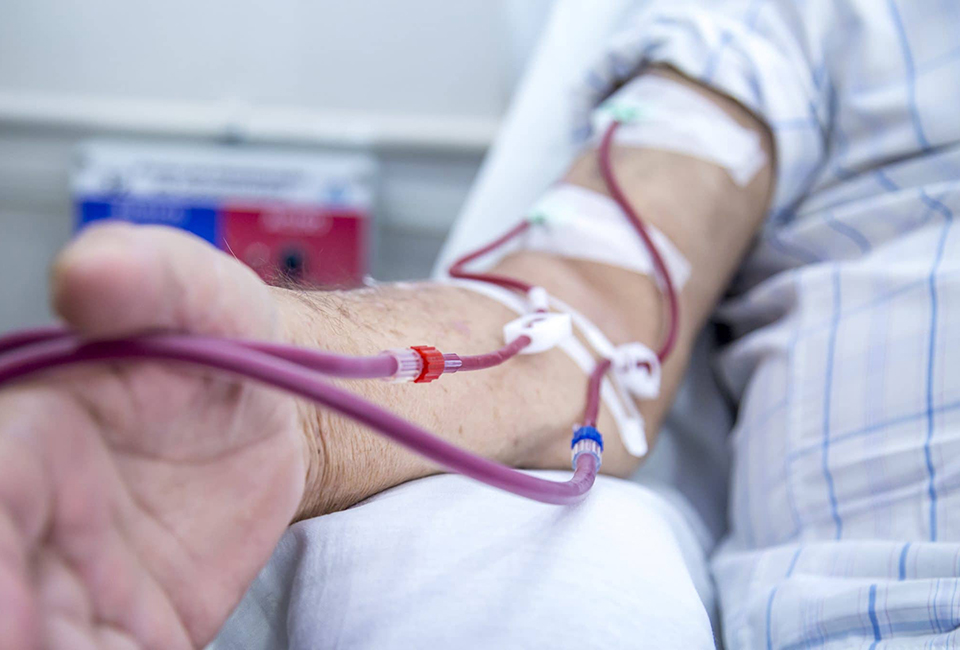
Hemodialysis Process
The patient is connected to the hemodialysis machine through two needles. These needles allow blood to return to the machine and back to the patient. The blood is cleaned through a filter in the machine called a dialyzer. In the process, harmful substances in the blood pass into a fluid called dialysate.
Effects of Hemodialysis
Hemodialysis offers kidney failure patients many benefits that improve quality of life. The cleansed blood can increase the body’s energy levels and help maintain overall health. Furthermore, the effective removal of toxins from the body can help prevent many complications.

Things to Consider After Hemodialysis
Patients receiving hemodialysis treatment need to pay attention to their diet and fluid intake. Excess fluid intake can put extra strain on the heart and circulatory system. It is also important to limit salt, potassium and phosphorus intake. Proper nutrition during hemodialysis increases the effectiveness of treatment.
Hemodialysis and Quality of Life
Hemodialysis not only prolongs the lives of people with kidney failure; it also helps them to lead a more active and comfortable life. Thanks to regular hemodialysis sessions, patients feel energized, their sleep quality improves and they have an overall better quality of life.
Hemodialysis and Travel
It is possible for patients receiving hemodialysis treatment to travel. However, this requires prior planning. Dialysis centers in the travel destination should be contacted and dialysis appointments should be made at appropriate times. In this way, patients can travel without interrupting their treatment.
Hemodialysis and Diet
The diet of hemodialysis patients is critical to the effectiveness of treatment. These patients need to limit their phosphorus, sodium and potassium intake. It is also important to pay attention to fluid intake. Dietitians can guide patients through this process by creating customized diet plans.
Frequently Asked Questions About Hemodialysis

Usually hemodialysis treatment is done 3 days a week and each session lasts 3-5 hours. However, this may vary depending on the patient's needs and the doctor's recommendations.
There is usually no pain during a hemodialysis session. However, slight pain or discomfort may be felt when inserting the needle at the access site.
Hemodialysis patients need to limit their potassium, sodium, phosphorus and fluid intake. They should also be careful about their protein intake. It is recommended that they work with a dietitian for information and guidance on their specific diet.
Yes, hemodialysis patients can travel. However, they should contact the dialysis centers in their destination and plan their treatment hours before traveling.
Many patients may feel tired after hemodialysis treatment. Rest time may vary from person to person, but it is usually beneficial to rest for a few hours after treatment.