How to Recognize Fluid Overload in Dialysis Patients






Water is the cornerstone of human life. After oxygen, it is the most essential substance our body needs. All metabolic processes, organ functions, and cellular balance are regulated through water. While humans can survive for weeks without food, they can only live a few days without water.
An adult’s body consists of approximately 60–70% water. This ratio varies depending on age, gender, weight, and physical activity:
- As age increases, body fat ratio rises, and therefore water content decreases.
- Men generally have a higher percentage of body water than women.
- Thin and physically active individuals have more water in their bodies due to lower fat tissue levels.
Throughout the life cycle, the proportion of water changes: in the embryo, it is about 95%, in infants 80%, in children 75%, in adults 70%, and in the elderly about 50%. This shows that the body’s capacity to retain water decreases with age.
Why Is Fluid Balance Important?
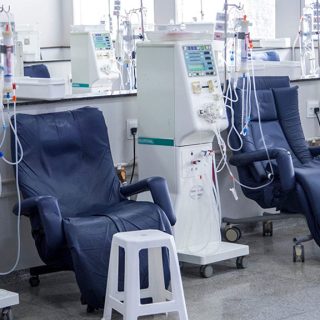
A healthy person maintains a balance between the fluid taken in and the fluid excreted. However, in individuals with kidney failure, this balance is disrupted. When the kidneys do not function adequately, excess water and salt begin to accumulate in the body. This puts additional strain on organs and the circulatory system. One of the main goals of dialysis treatment is to remove this excess fluid from the body.
Symptoms of Fluid Overload
Fluid buildup often develops slowly, so it’s important to notice early warning signs. The following symptoms may indicate fluid overload in dialysis patients:
- High blood pressure: Excess fluid increases intravascular pressure, leading to hypertension.
- Weight gain: A sudden increase in weight between dialysis sessions is one of the clearest signs of fluid retention.
- Heart palpitations and shortness of breath: When the heart struggles to pump extra fluid, palpitations and rapid breathing occur.
- Swelling (edema) in the legs, hands, abdomen, face, and around the eyes: Tight shoes or rings, or swollen eyelids in the morning, are common signs.
- Breathing difficulty while lying down and needing extra pillows: When fluid accumulates in the lungs, it becomes harder to breathe while lying flat.
- Difficulty walking or climbing stairs: Increased fluid load reduces exercise capacity by straining the heart and lungs.
- Throbbing headache from the back of the head: A frequent symptom of high blood pressure.
Causes of Fluid Overload
When a dialysis patient experiences high blood pressure, fatigue, shortness of breath, or swelling, the first possible cause to consider is fluid overload. Common causes include:
- Exceeding daily fluid limits (excessive water, soup, fruit, tea, or coffee consumption)
- High salt intake (salty foods, pickles, sauces, packaged snacks)
- Irregular dialysis sessions or insufficient fluid removal during treatment
- Decreased urine output due to further loss of kidney function
Salt intake is one of the main reasons for fluid accumulation. Salt increases water retention in the body and triggers thirst, leading to more fluid intake without realizing it.
How to Maintain Control
Maintaining fluid balance is one of the most important steps to improving the quality of life for dialysis patients:
- Monitor weight between dialysis sessions. Ideally, weight gain should not exceed 1–2 kg.
- Reduce salt intake. Avoid adding salt to meals and stay away from processed foods.
- Plan fluid intake. Learn your daily fluid limit; use small cups and chew ice to reduce thirst.
- Consider foods containing fluids. Soups, fruits, yogurt, and ice cream also contribute to fluid intake.
- Develop strategies to manage thirst. Chewing mint gum, rinsing your mouth with cold water, or sucking on a lemon slice can help.
- Exercise regularly. Light walks and leg exercises improve circulation and help reduce swelling.
- Work with your doctor and dietitian. Fluid and salt balance should be personalized to your individual needs.