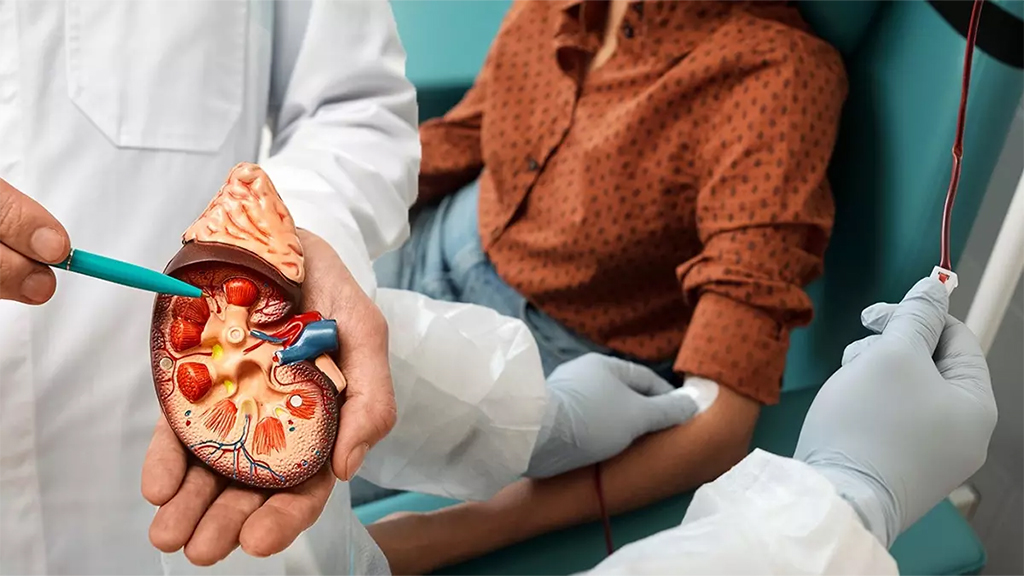
Things You Need to Know Before Starting the Dialysis Process




Hearing the word dialysis after a diagnosis of kidney failure can be worrying for many people. Uncertainty increases fear. However, getting to know the process with accurate information helps you feel stronger both physically and emotionally. In this guide, we explain the topics most frequently wondered about by patients who are starting dialysis for the first time in a clear, simple, and easy-to-understand way.
Why Does Dialysis Become Necessary?
The kidneys are essentially the body’s natural filter. They clean the blood and remove excess fluid and harmful substances. When the kidneys are no longer able to perform these functions adequately, waste products accumulate in the blood and can lead to serious health problems. Dialysis is a treatment method that temporarily or permanently takes over the job the kidneys can no longer do.
Dialysis is usually considered in the following situations:
• Severe decline in kidney function
• Dangerous increases in blood values such as potassium
• Shortness of breath and swelling caused by fluid accumulation in the body
• Persistent nausea, vomiting, loss of appetite, and fatigue
These symptoms indicate that the body needs external support.
What Are the Dialysis Methods?
Dialysis treatment is performed using two main methods. Which method is suitable is determined by the individual’s health condition and living circumstances.
Hemodialysis
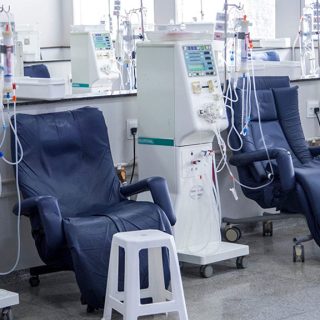
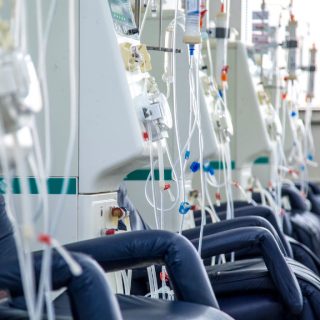
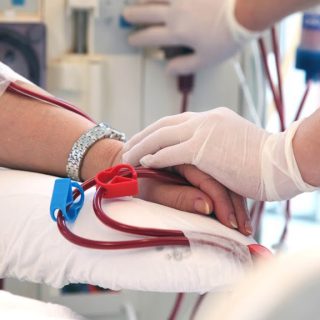
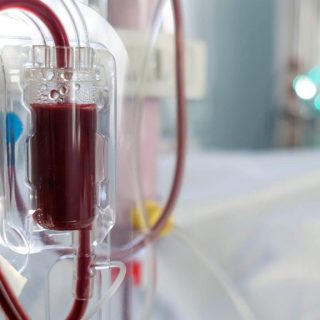
This is the most commonly used method. Blood is taken out of the body, cleaned with the help of a special machine, and then returned to the body. It is usually performed in sessions lasting several hours, three times a week.
Key features:
• Provides effective and controlled treatment
• Performed under the supervision of healthcare professionals
Peritoneal Dialysis
In this method, the abdominal lining acts as a natural filter. A special solution is delivered into the abdominal cavity, and waste substances are removed from the body through this fluid. It stands out because it can be performed at home.
Key features:
• Easier adaptation to daily life
• Greater flexibility in terms of time
Physical Preparation Before Starting Dialysis
Ensuring Vascular Access
A reliable vascular access is required for hemodialysis. The most commonly used method is a fistula created using the patient’s own blood vessels. This method is safer in the long term, but it takes time to mature. In urgent situations, temporary catheters may be used.
Adjusting Eating Habits
Nutrition is very important before dialysis. Generally:
• Salt intake is limited
• Foods high in potassium and phosphorus are carefully monitored
• Protein intake is adjusted individually
Expert recommendations should always be followed during this period.
Reviewing Medications
All medications being used should be reviewed. Some medications may not be suitable for kidney patients. Therefore, it is important not to use medications indiscriminately.
Emotional and Psychological Preparation
Dialysis is a process that affects not only the body but also the mind. Anxiety, fear, or anger experienced during this time are completely natural.
- Share your feelings instead of suppressing them
• Do not hesitate to seek psychological support if needed
• Relax your mind with breathing exercises and light activities
Having your close environment understand the process will also be a major source of support for you.
Practical Preparations for Daily Life
Choosing a Center
A center that is easy to access, has high hygiene standards, and prioritizes patient satisfaction should be preferred.
Daily Planning
Since dialysis sessions are regular, work, social life, and rest times should be planned accordingly. With proper planning, it is possible to maintain an active life.
Travel Plans
Traveling is not impossible for dialysis patients. By arranging suitable centers in advance at the destination, traveling can be done comfortably.
What Should You Expect in the First Dialysis Session?
The first session is usually like a period of introduction and adjustment.
- Your weight and blood pressure are measured
• Your blood values are monitored
• The session may last several hours
In the first days, mild dizziness or fatigue may be felt. This is usually temporary.
It may be helpful to bring:
• Comfortable clothing
• A book, music, or headphones
• A light snack (if appropriate)
What Should Be Considered in the Long Term?
- Getting enough rest after sessions
• Not skipping regular blood tests
• Not neglecting heart and eye check-ups
• Keeping vaccinations up to date
With proper follow-up and a conscious approach, dialysis can become a natural part of life.
Frequently Asked Questions
It is generally painless. Only brief discomfort may be felt during needle insertion.
If kidney function does not recover, dialysis continues. Under suitable conditions, it can end with a kidney transplant.
Yes. With proper planning, many patients can continue their work and social lives.
No. However, a personalized nutrition plan should be followed.