Our kidneys are among the most important organs in our body, and their main function is to filter waste products and excess fluids from our blood, ensuring their elimination from the body. However, in cases like kidney failure, the kidneys can no longer perform these tasks, leading to the accumulation of toxins in the body. This is where dialysis comes into play.
What is Dialysis?
Dialysis is a treatment that takes over the functions of the kidneys by filtering out excess fluids and waste from the body. It is a life-saving procedure for patients with kidney failure, temporarily or permanently replacing kidney function.
Types of Dialysis
There are two main types of dialysis:
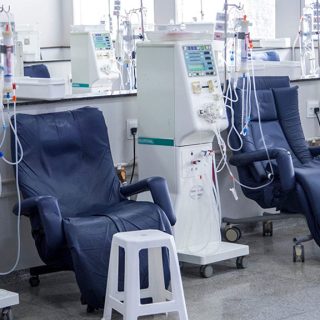
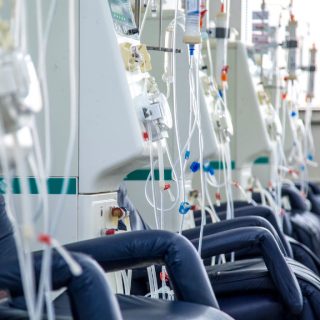
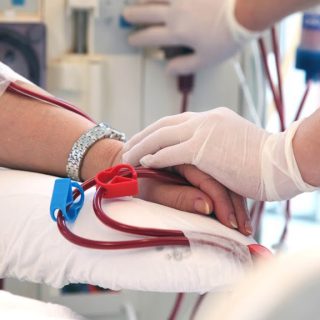
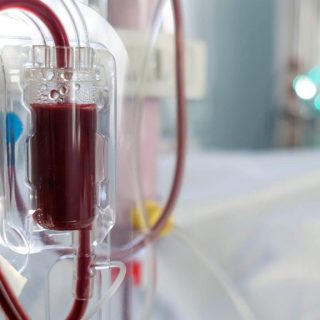
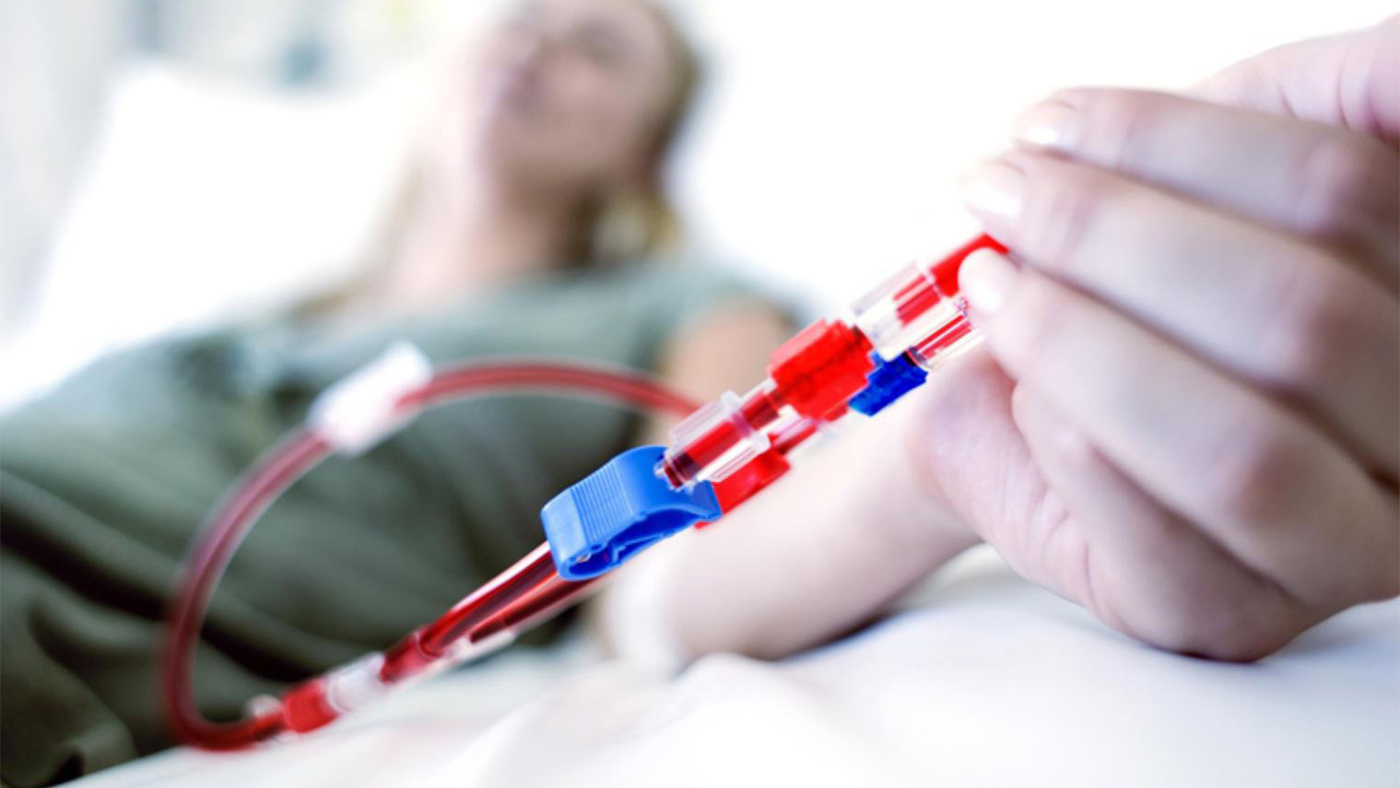
Hemodialysis: In this method, the patient’s blood is drawn from the body, filtered through a special machine, and then returned to the body. This procedure is typically performed at a dialysis center a few times a week, with each session lasting between 3 to 5 hours.
Peritoneal Dialysis: In this method, a catheter is inserted into the abdominal cavity, and the peritoneum (the lining of the abdomen) acts as a filter. Dialysis fluid is sent into the abdominal cavity, where toxins are filtered and removed from the body. This method can usually be performed at home and is managed by the patient.
What Should Be Considered During the Dialysis Process?
In addition to the right treatment, lifestyle changes are essential for dialysis patients. A healthy diet, regular exercise, and following medical advice can improve the effectiveness of the treatment. It is particularly important to control the intake of substances like salt, potassium, and phosphorus. Patients should also regularly monitor their blood values and be cautious about infection risks.
Dialysis is an effective treatment that improves the quality of life for patients with kidney failure. At “Ren-Med” Dialysis Center, we are committed to standing by our patients during this challenging process and providing the highest quality care. For more information about dialysis or to ask any questions you may have, feel free to contact us.