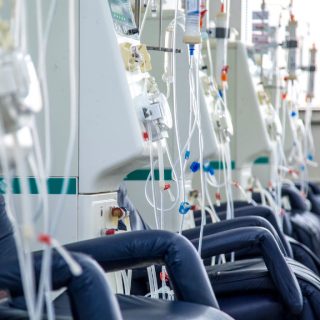
Hemodialysis is a life-saving treatment that helps remove toxic substances from the body when the kidneys fail to perform their functions. When substances like urea, creatinine, phosphorus, and potassium accumulate in the blood, they can pose serious health risks. At RenMed Dialysis Center, we provide a safe and comfortable hemodialysis treatment process tailored to our patients.
What is Hemodialysis and How Does It Work?
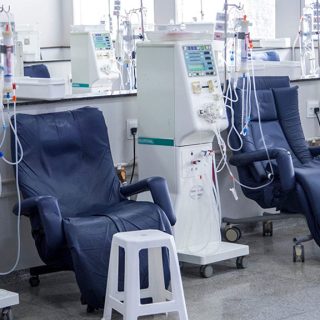
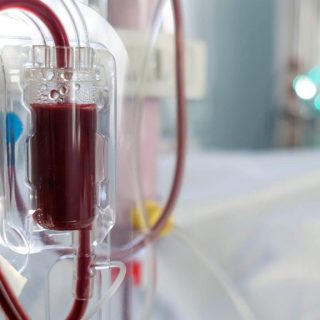
Hemodialysis involves taking the patient’s blood, filtering it through a dialysis machine, and returning the cleaned blood to the body. The main vascular access methods include:
Fistula
A permanent and reliable access created by surgically connecting an artery and a vein. Typically, 2-3 weeks are required before use.
Graft
An artificial blood vessel is surgically implanted to create permanent vascular access. Like a fistula, 2-3 weeks are required before use.
Catheter
A temporary vascular access, inserted in the groin, neck, or under the collarbone, often used in emergency situations.
The patient’s blood passes through a dialyzer, a fine filter that removes toxic substances. The filtered blood is then returned to the patient’s circulation. Session frequency, duration, and machine settings are determined by the physician according to the patient’s physiological needs.
Who Needs Hemodialysis?
Hemodialysis is essential for patients with chronic kidney failure. When kidneys cannot function properly, the body’s fluid, electrolyte, and pH balance is disrupted. Acute kidney failure cases may also require hemodialysis.
Regular physician follow-up determines treatment frequency and duration, dialyzer type, and blood-dialysate flow rates.
Important symptoms:
- Swelling in the legs
- Low or high pulse
- Altered consciousness
- Fatigue and weakness
- Shortness of breath
- Nausea and loss of appetite
- Hiccups
- Sleep disturbances
These symptoms may require the dialysis program to be adjusted by the physician.
Important Considerations for Hemodialysis Patients
- Adherence to dialysis schedule: Skipping sessions can be harmful.
- Salt and fluid intake: Should be kept within physician-recommended limits.
- Phosphorus and potassium intake: Must be monitored regularly.
- Dietitian support: Individualized diet plans are essential.
- Lifestyle: Maintain ideal weight, exercise regularly, and avoid alcohol and smoking.
Benefits of Hemodialysis
- Rapid and effective removal of waste products from the blood.
- Treatment is performed by trained medical staff.
- Faster and more efficient compared to peritoneal dialysis.
- Improves patient quality of life with longer session intervals.
- Provides social interaction at the dialysis unit, reducing stress.
At RenMed Dialysis Center, we provide a safe, comfortable, and personalized hemodialysis treatment for our patients. Your health is our priority.